PECRON
8.9/10
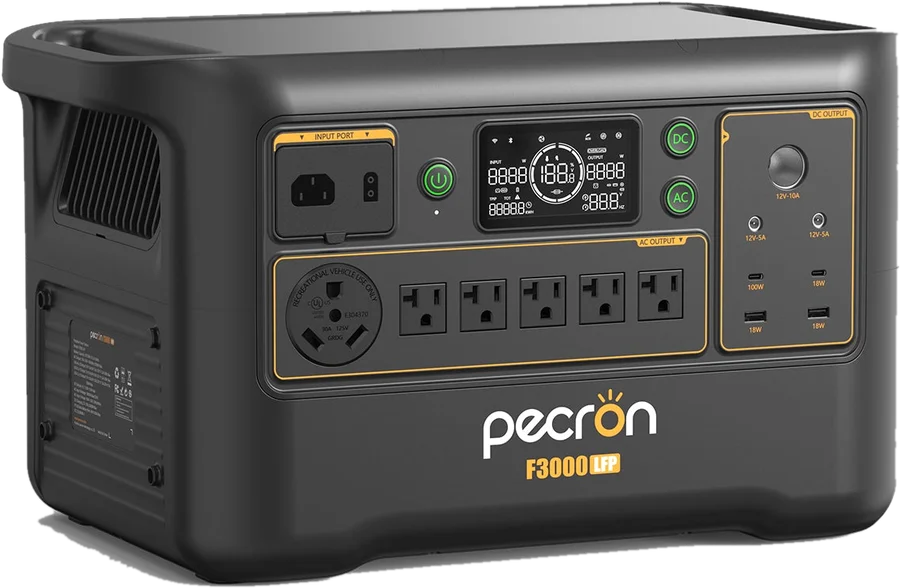
PECRON F3000LFP
3kWh and 3,600W for well under $1,000
- 3,072 WhCapacity
- 3,600 WAC output
- LiFePO4Battery
- 63.3 lbWeight
$899.00reference price*
Category
Silent power for tents, vans, overlanders and campground quiet hours.
At the campsite, the best power station is the one you'll actually carry. For tent camping and road trips, 250–500Wh units under 10 lb cover phones, cameras, lights, a fan and a night of CPAP use. For van life and RVs, 1kWh-class stations run 12V fridges, induction cooktops and coffee makers.
Look for a 12V car socket (for fridges), USB-C PD for laptops, a solar input that matches your panels, and low fan noise, since many campgrounds ban gas generators during quiet hours, but batteries are always welcome.
PECRON
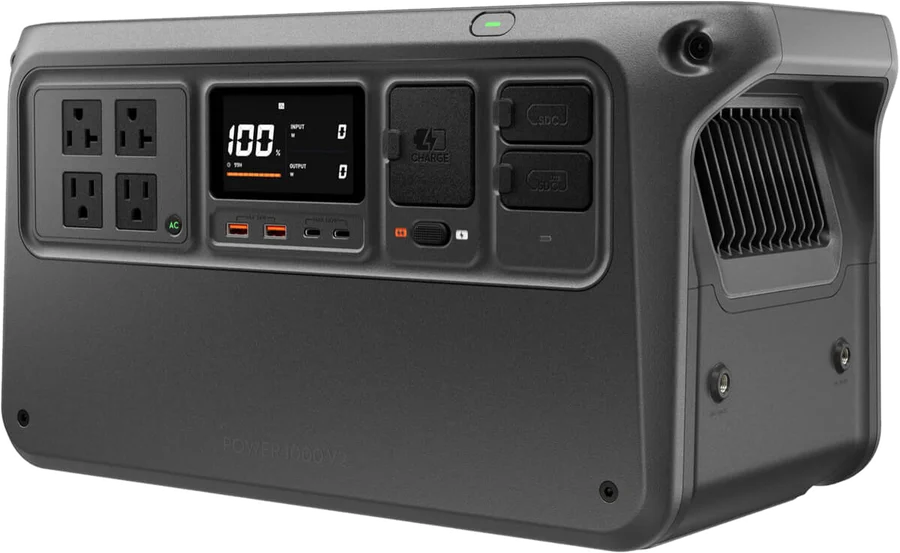
3kWh and 3,600W for well under $1,000
$899.00reference price*
DJI
A 2,600W powerhouse that recharges in under an hour
$699.00reference price*
Anker
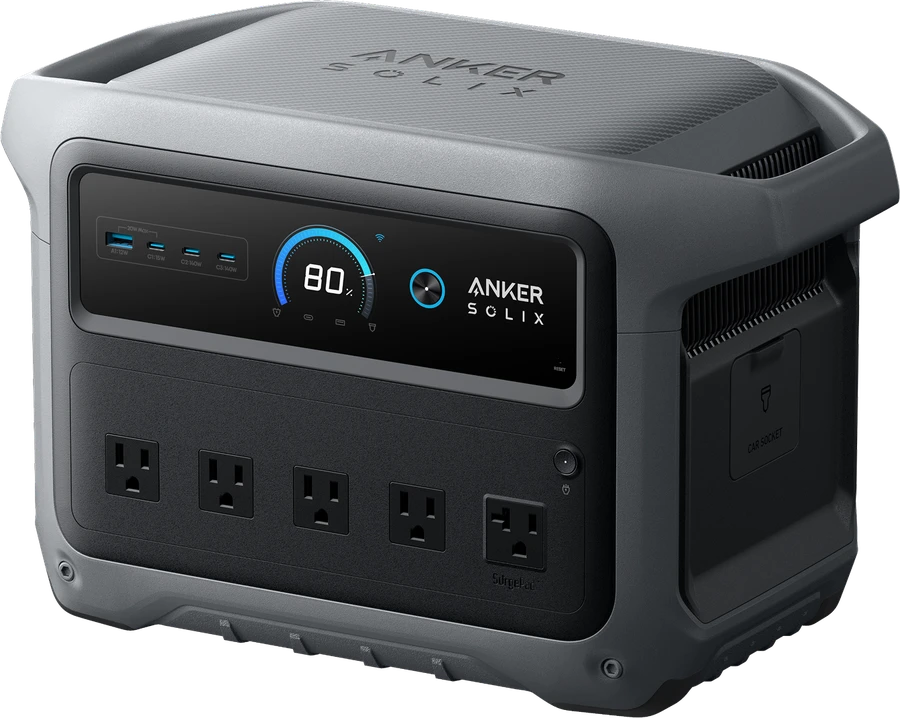
The fastest-charging 1kWh station, with a 2,000W inverter
$699.99reference price*
Jackery
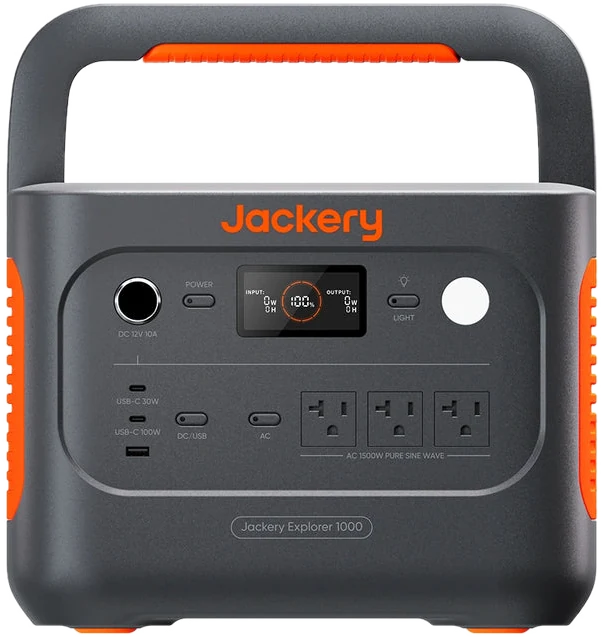
The 1kWh sweet spot for home backup that still fits in a car trunk
$559.00reference price*
BLUETTI
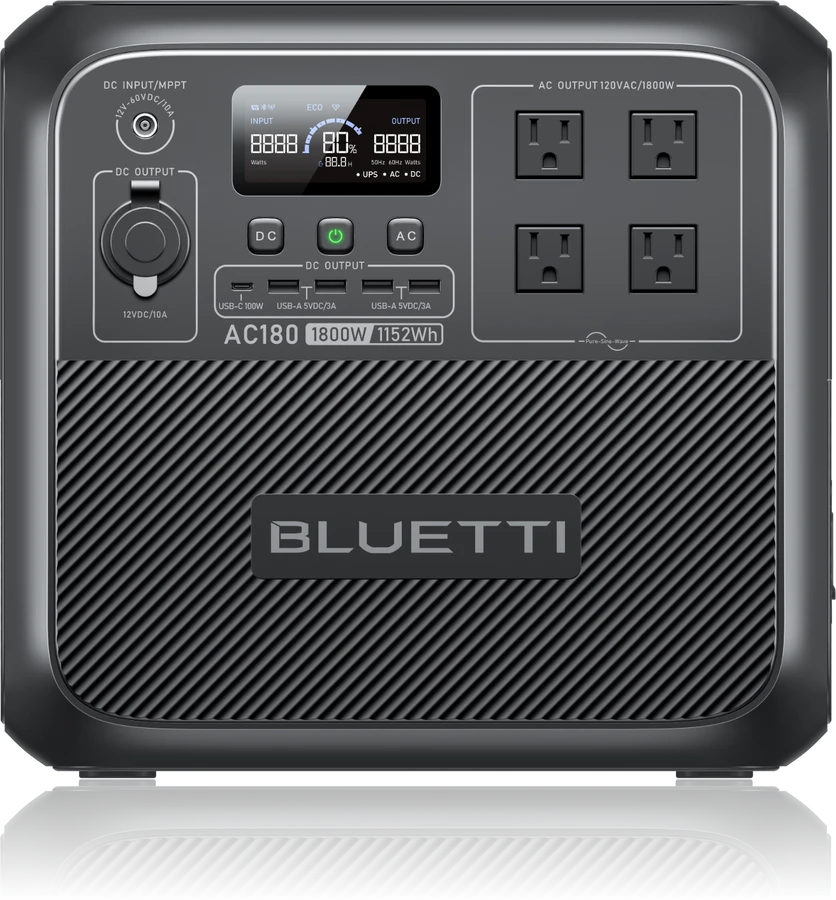
A proven 1.1kWh all-rounder at a mid-range price
$499.00reference price*
BLUETTI
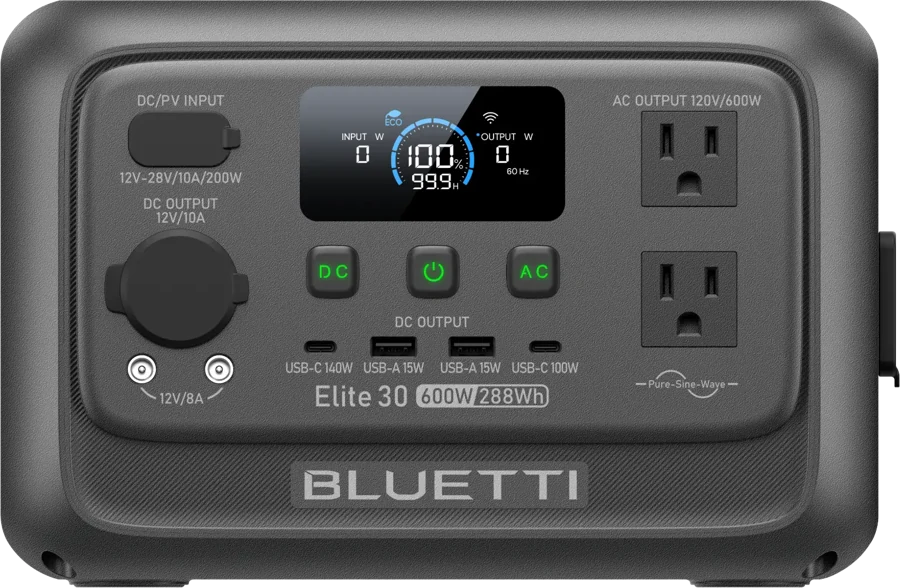
The pocket-sized LiFePO4 pick with a real 600W inverter
$289.99reference price*
EcoFlow
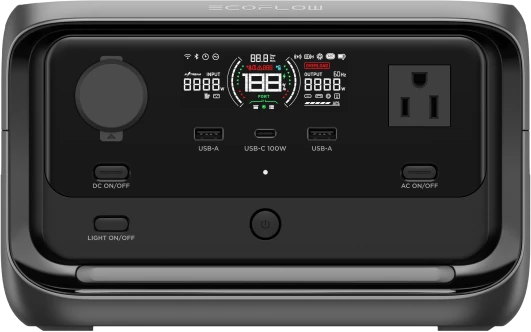
A quiet, fast-switching UPS for your desk that doubles as a camping battery
Check Amazon
EcoFlow
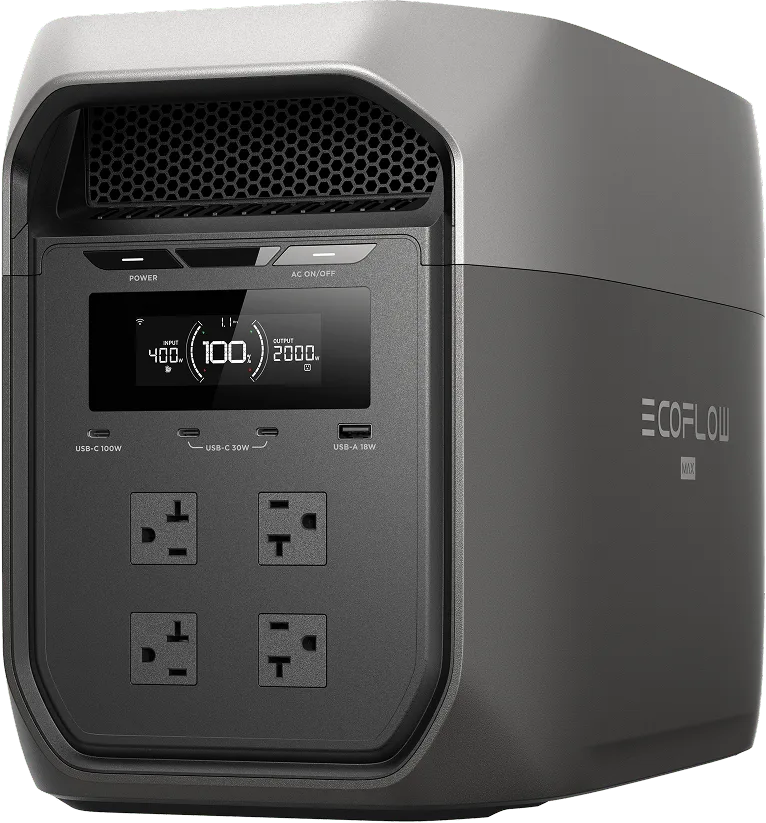
2kWh of LiFePO4 with a 10 ms UPS at a 1kWh-class price
$879.00reference price*
Jackery
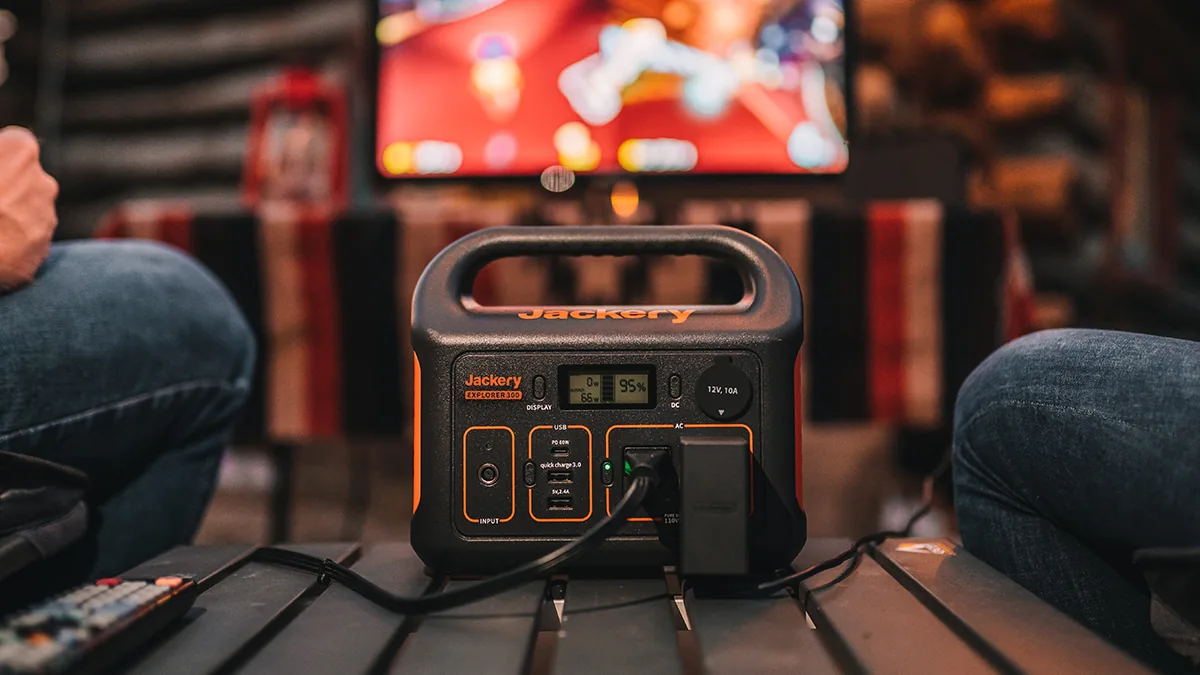
The proven ultralight for cameras, drones and weekend camping
$289.00reference price*
ZOUPW
A big portable panel that plugs into almost any power station
$499.99reference price*
Callsun
High-efficiency bifacial panels at a budget price
$319.99reference price*
Jackery
A light 100W bifacial panel for small power stations
$299.00reference price*
ACOPOWER
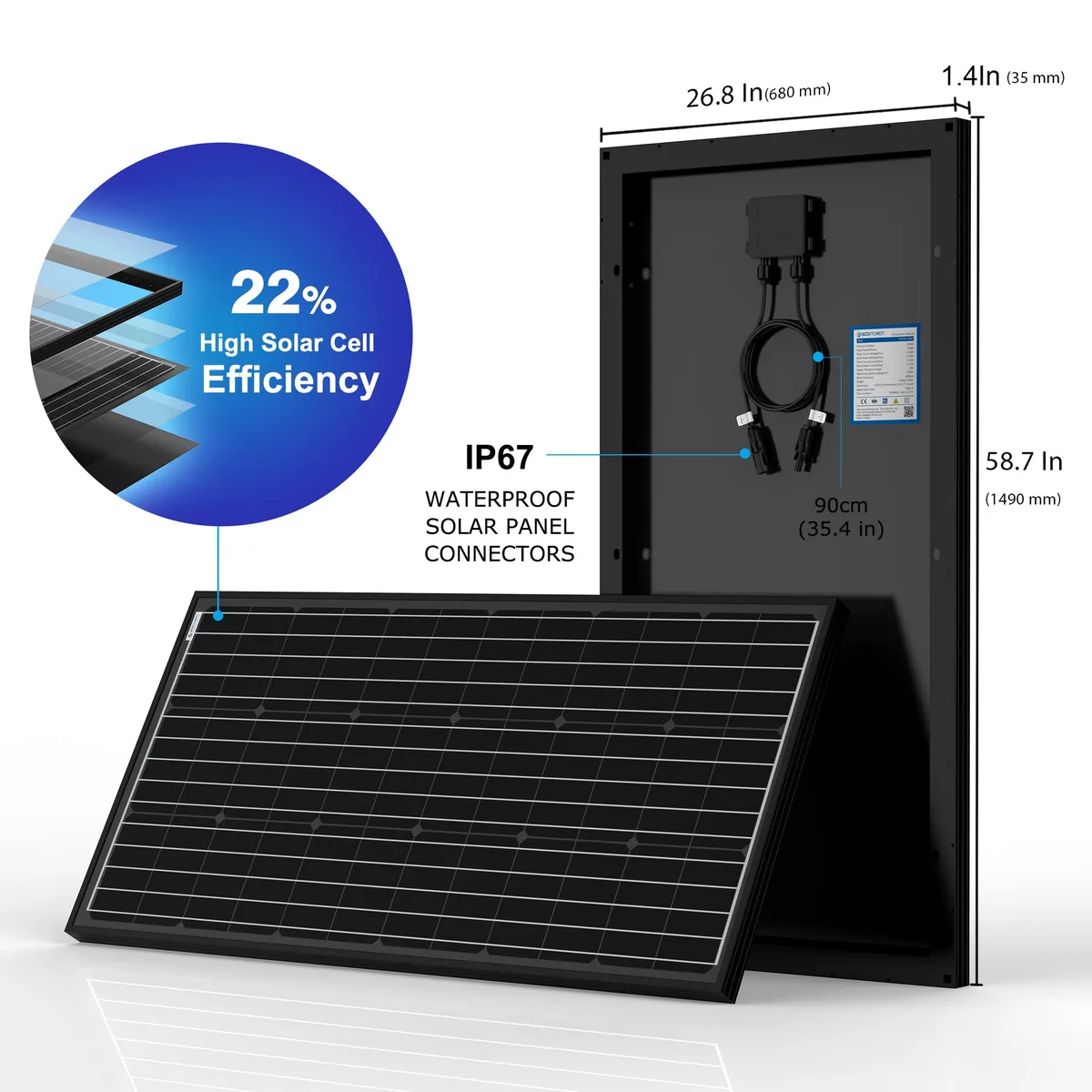
A complete 12V off-grid system for RVs, boats and cabins
Check Amazon
Every panel and kit in this category on one table. Best value in each row is highlighted.
| Spec | ZOUPW 450W Portable | Callsun 400W Bifacial (2 × 200W) | Jackery SolarSaga 100 Air | ACOPOWER 600Ah RV Solar Kit |
|---|---|---|---|---|
| WattLab Panel Score | 8.2/10 | 7.6/10 | 6.1/10 | — |
| Rated power | 450 W | 400 W | 100 W | 600 W |
| Type | Portable, folding (ETFE) | Rigid, glass (2-pack) | Portable, folding (W-fold) | Complete kit (panels + batteries + inverter) |
| Cell efficiency | 25% | 25% | 23% | 22% |
| Weight per panel | 26.8 lb | 23.81 lb | 7.1 lb | 26.5 lb |
| Watts per lb | 16.8 W/lb | 8.4 W/lb | 14.1 W/lb | 7.5 W/lb |
| Open-circuit voltage | 45.9 V | 27.31 V | 29.7 V | 24.3 V |
| Bifacial | No | Yes | Yes | No |
| Weather rating | IP68 | IP68 | IP68 | — |
| Included battery | — | — | — | 7,680 Wh |
| Reference price* | $499.99 | $319.99 | $299.00 | — |
| Watts per dollar* | 0.90 W/$ | 1.25 W/$ | 0.33 W/$ | — |
| Amazon | Check Price | Check Price | Check Price | Check Price |
Best in row. * Reference price from the manufacturer's store on the date shown; Amazon's price may differ.
A 12V compressor cooler typically uses 0.5–1kWh per day depending on heat. Run it from the 12V socket to skip inverter losses.
Under 10 lb you get roughly 250–300Wh; 1kWh-class units weigh 22–30 lb.
A car input lets you refill between campsites, though 12V charging is slow (often 100–120W).
Yes. A CPAP without heated humidifier typically draws 30–60W, so a ~300Wh unit covers roughly one night and a 1kWh unit about three to four nights. Running the CPAP from a DC cable instead of AC extends runtime.