PECRON
8.9/10
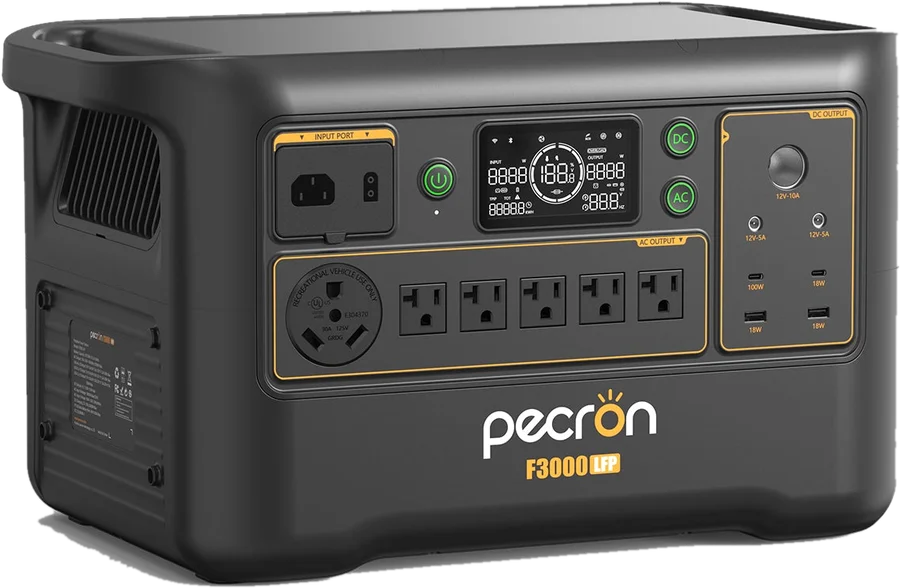
PECRON F3000LFP
3kWh and 3,600W for well under $1,000
- 3,072 WhCapacity
- 3,600 WAC output
- LiFePO4Battery
- 63.3 lbWeight
$899.00reference price*
Category
Battery-powered generators you can carry: no fumes, no noise, safe indoors.
A portable power station is a lithium battery, an inverter and a charge controller in one box. It turns stored energy into the same 120V AC power as your wall outlets, plus USB-C, USB-A and 12V DC, and you can recharge it from the wall, your car or solar panels.
The two numbers that matter most are capacity (Wh), which tells you how long it runs, and continuous AC output (W), which tells you what it can run. Everything else, from battery chemistry and charge speed to weight and ports, decides how pleasant it is to live with.
PECRON
3kWh and 3,600W for well under $1,000
$899.00reference price*
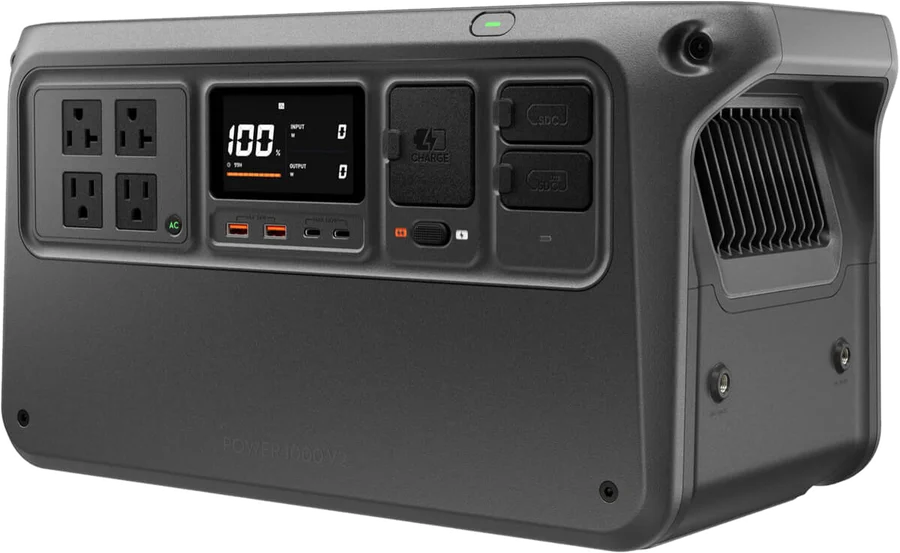
DJI
A 2,600W powerhouse that recharges in under an hour
$699.00reference price*
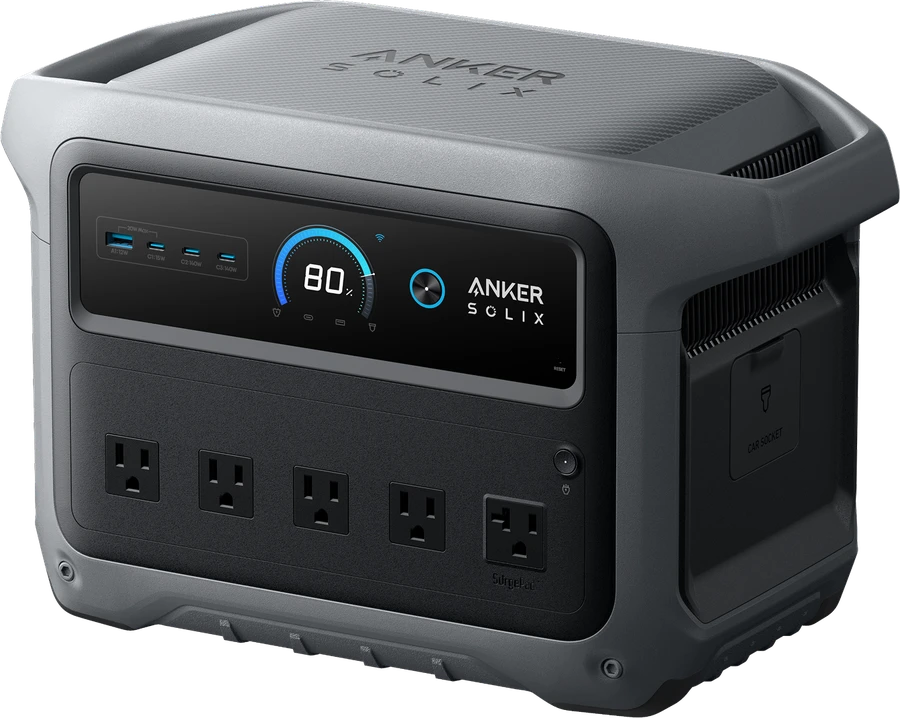
Anker
The fastest-charging 1kWh station, with a 2,000W inverter
$699.99reference price*
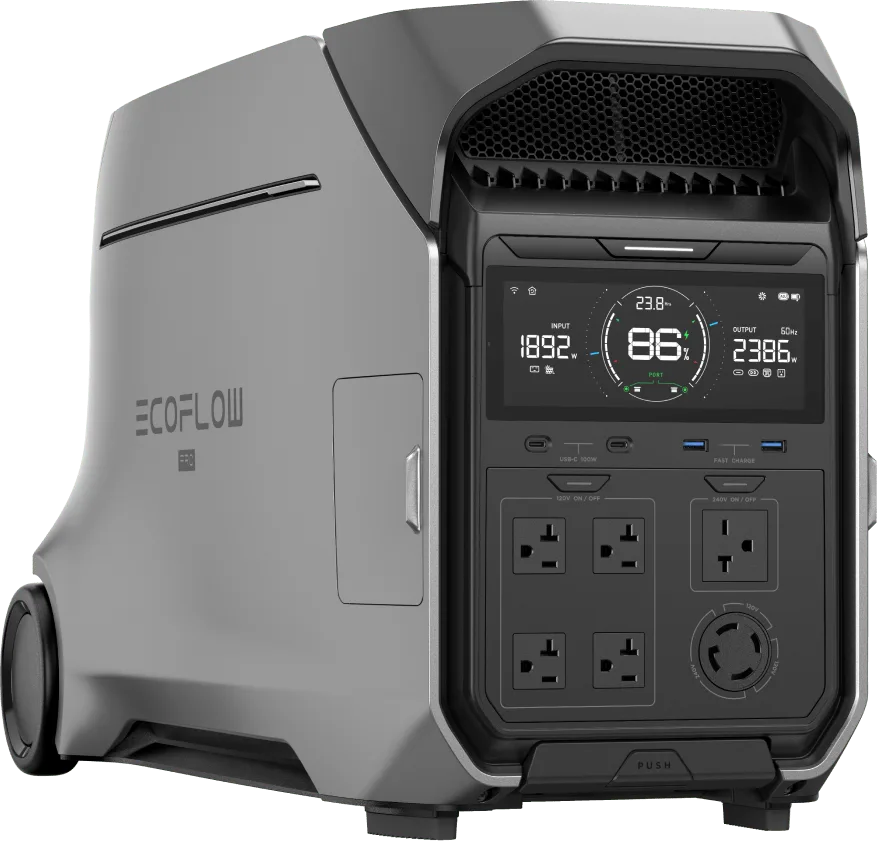
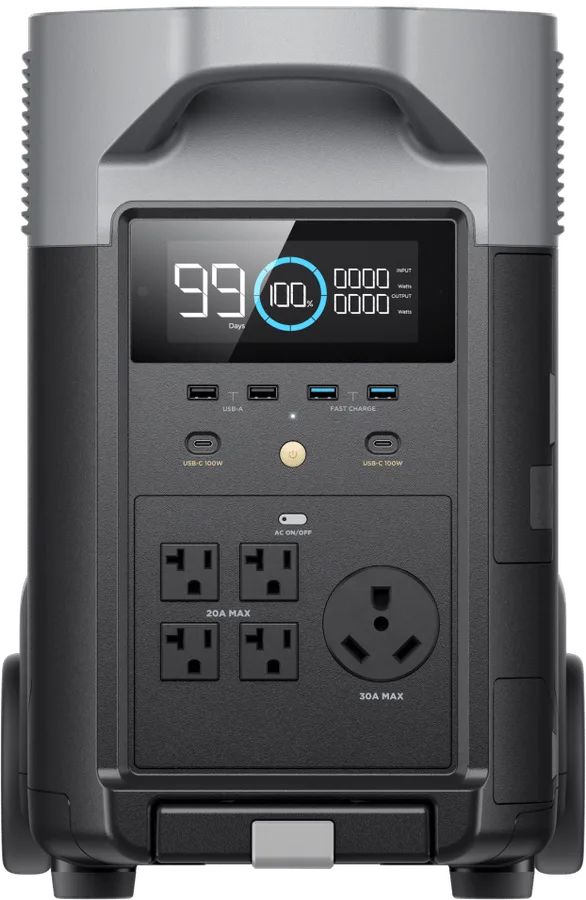
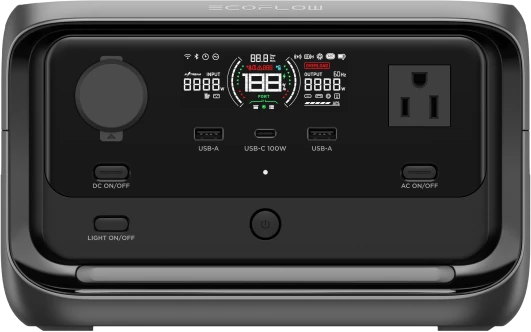
EcoFlow
A 240V, 4kWh home battery on wheels
$2,799.00reference price*
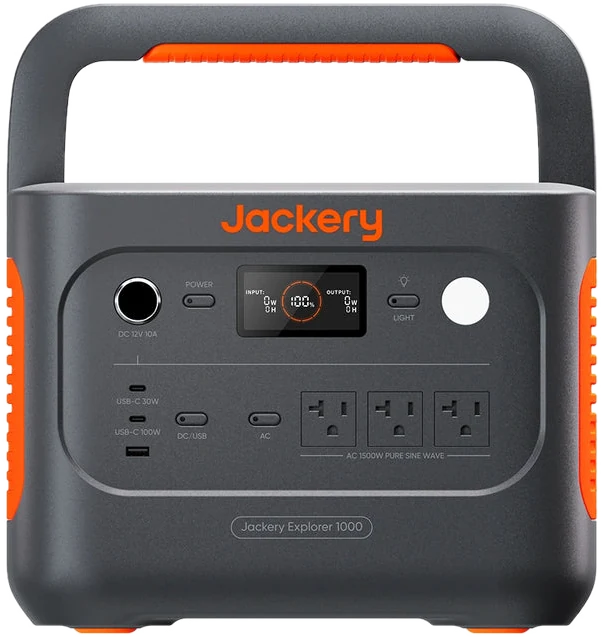
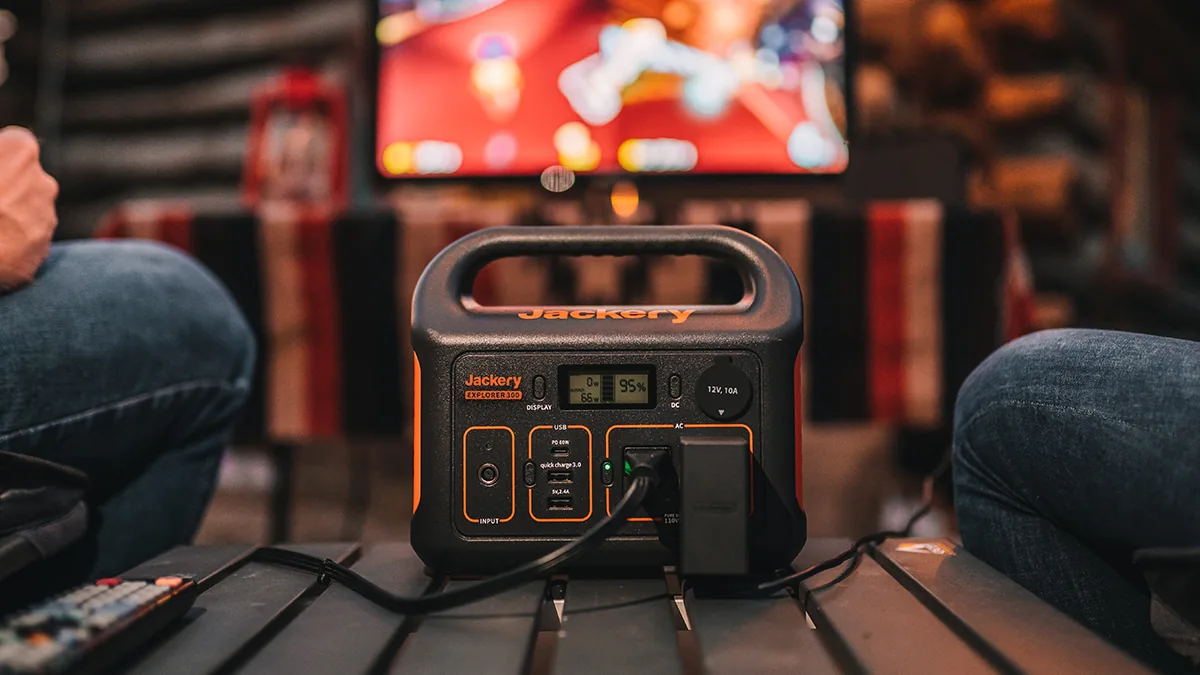
Jackery
The 1kWh sweet spot for home backup that still fits in a car trunk
$559.00reference price*
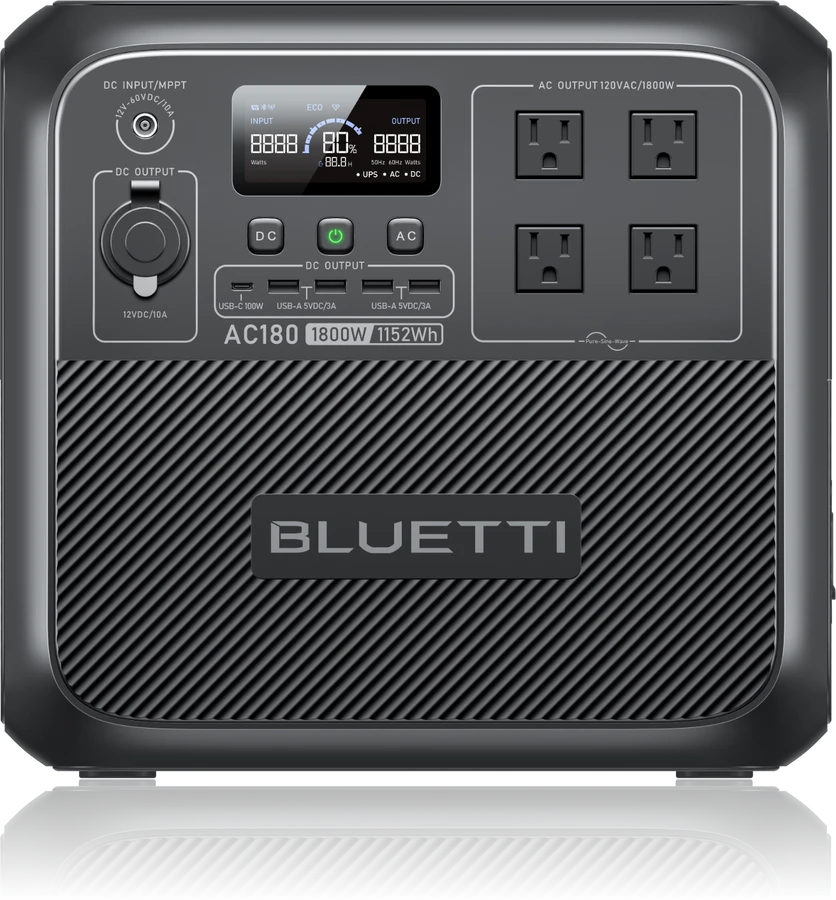
BLUETTI
A proven 1.1kWh all-rounder at a mid-range price
$499.00reference price*
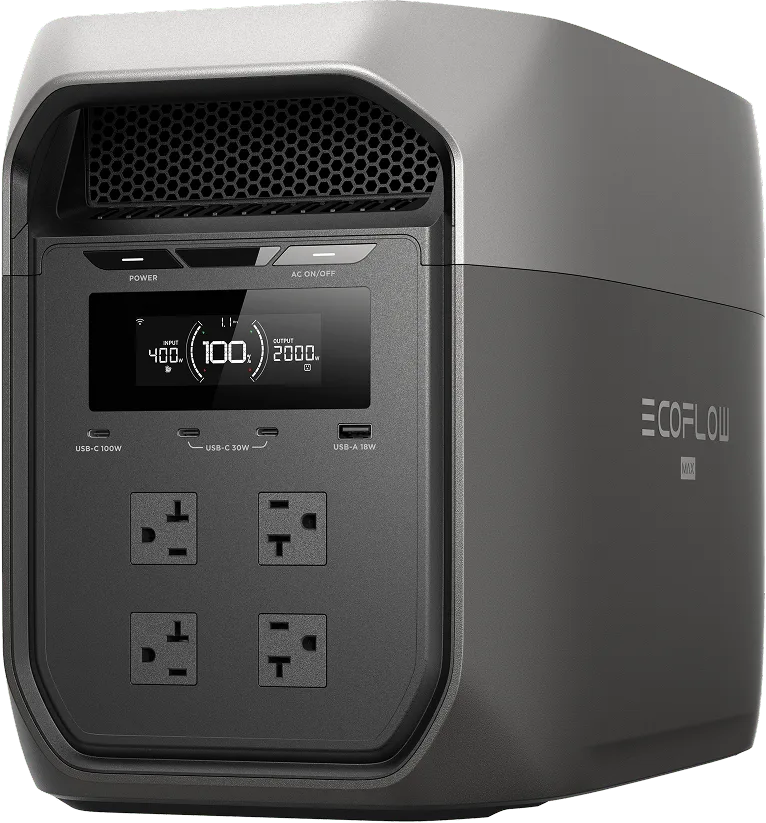
EcoFlow
The proven 3.6kWh home-backup workhorse, now at a lower price
$1,799.00reference price*
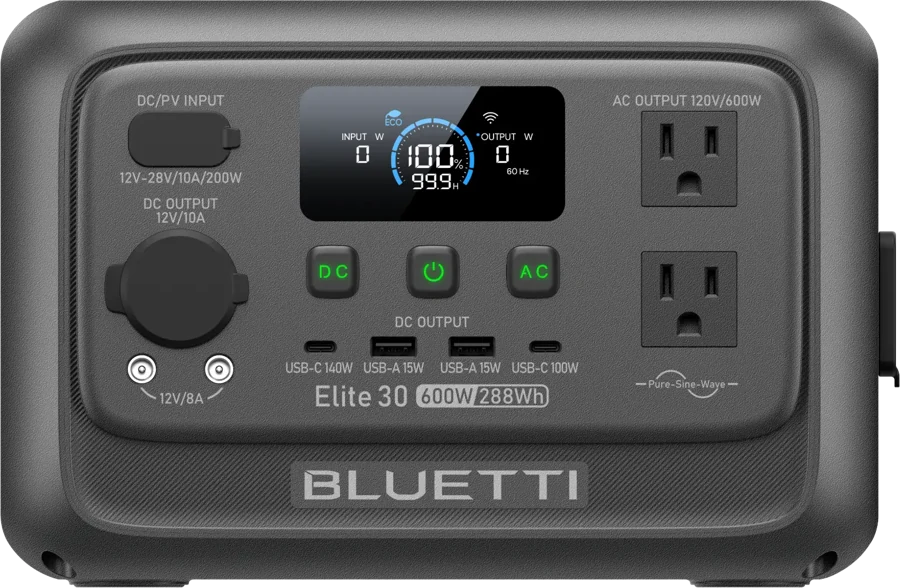
BLUETTI
The pocket-sized LiFePO4 pick with a real 600W inverter
$289.99reference price*
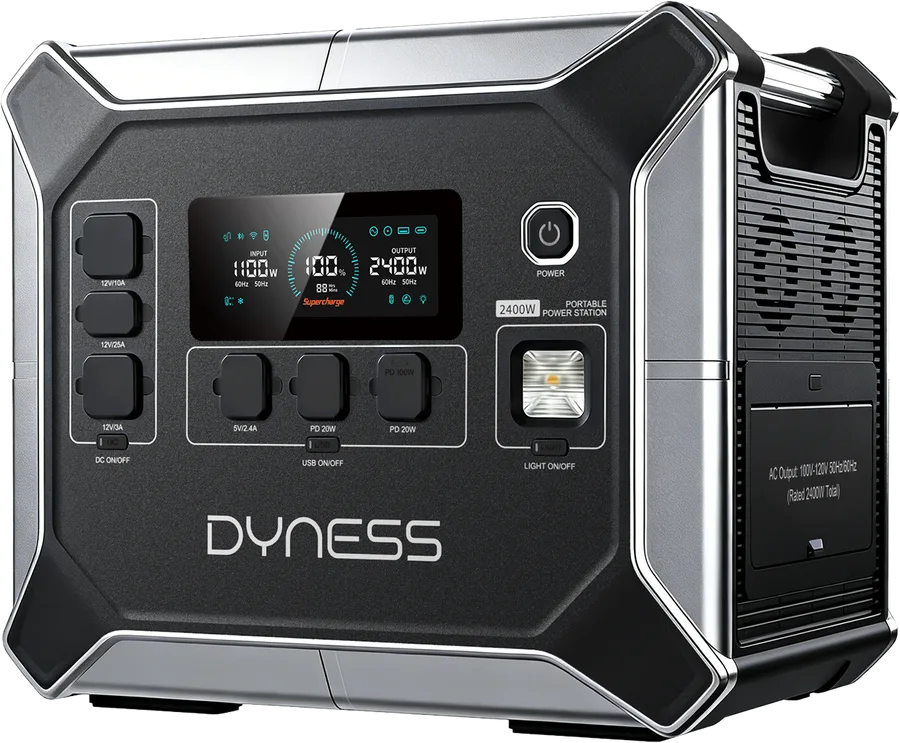
DYNESS
The budget 2kWh LiFePO4 pick, with caveats
$699.99reference price*
EcoFlow
A quiet, fast-switching UPS for your desk that doubles as a camping battery
Check Amazon
EcoFlow
2kWh of LiFePO4 with a 10 ms UPS at a 1kWh-class price
$879.00reference price*
Jackery
The proven ultralight for cameras, drones and weekend camping
$289.00reference price*
Add up the watts of what you'll run × the hours you need, then add about 15% for inverter losses.
LiFePO4 (LFP) cells typically last 3,000–4,000 cycles vs. ~500–800 for older NMC lithium-ion, and are more thermally stable.
Surge numbers only cover a split second of motor startup. Your appliance must fit under the continuous rating.
A unit that refills in 1–2 hours from the wall is far more useful in a rolling blackout than one that needs 6.
Yes. Unlike gas generators, battery power stations produce no exhaust or carbon monoxide, so they're safe in bedrooms, apartments and tents. Keep vents clear and follow the manufacturer's temperature range.
Divide usable capacity by your load. A 1,000Wh unit delivers roughly 850Wh through the AC inverter, so a 60W load runs about 14 hours. Our comparator does this math for every model.
Nothing technical: a 'solar generator' is a portable power station sold with (or designed for) solar panels. Any unit with a solar input can be recharged from the sun.