PECRON
8.9/10
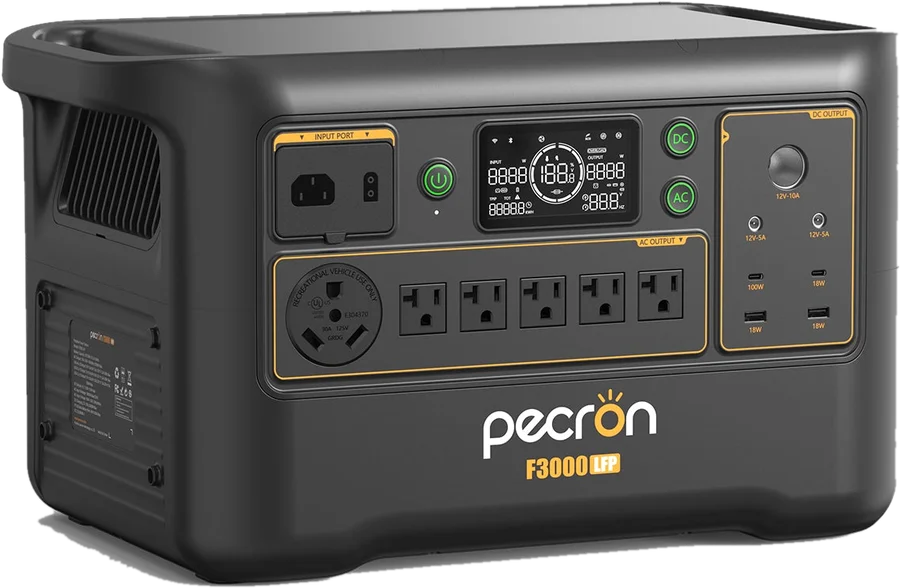
PECRON F3000LFP
3kWh and 3,600W for well under $1,000
- 3,072 WhCapacity
- 3,600 WAC output
- LiFePO4Battery
- 63.3 lbWeight
$899.00reference price*
Category
Keep phones, lights, medical devices and the fridge alive when the grid goes down.
Hurricanes, ice storms, heat-wave grid stress and wildfire shutoffs have made emergency power a standard part of US home preparedness. A battery power station is the easiest piece to own: it sits charged on a shelf for months, needs no fuel, and can be used indoors.
For an emergency kit, favor LiFePO4 chemistry (long life, low self-discharge, very stable), a solar input so you can recharge when the grid stays down, and enough capacity for at least a day of essentials.
PECRON
3kWh and 3,600W for well under $1,000
$899.00reference price*
DJI
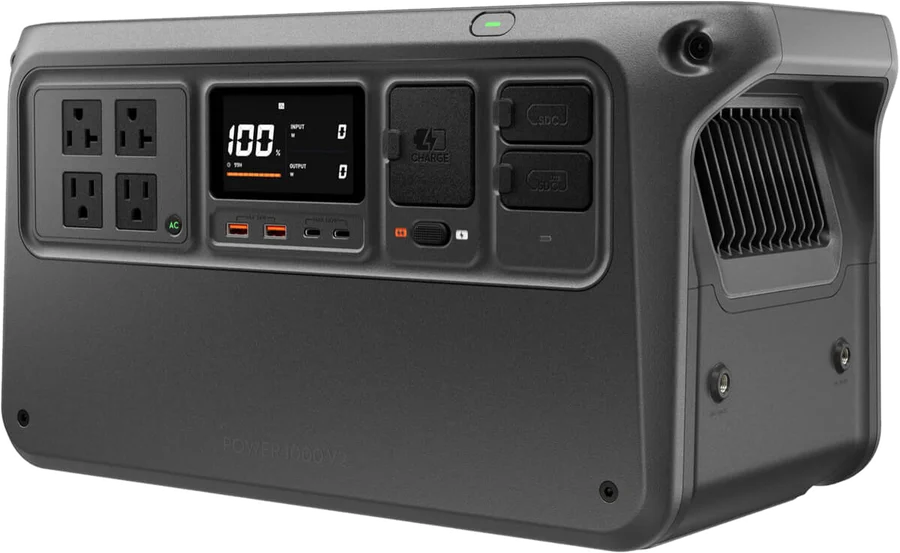
A 2,600W powerhouse that recharges in under an hour
$699.00reference price*
Anker
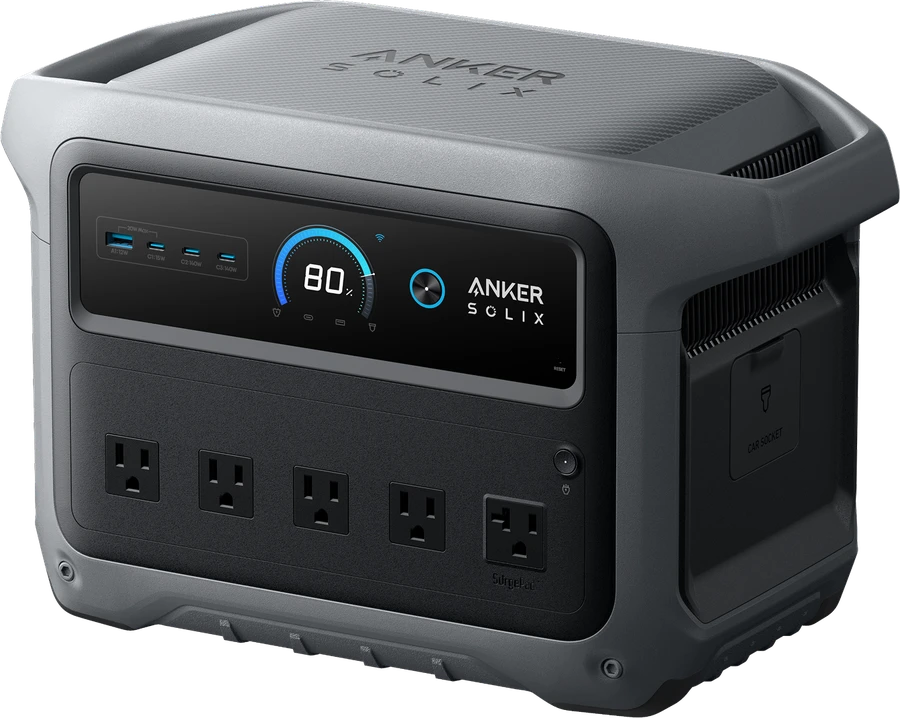
The fastest-charging 1kWh station, with a 2,000W inverter
$699.99reference price*
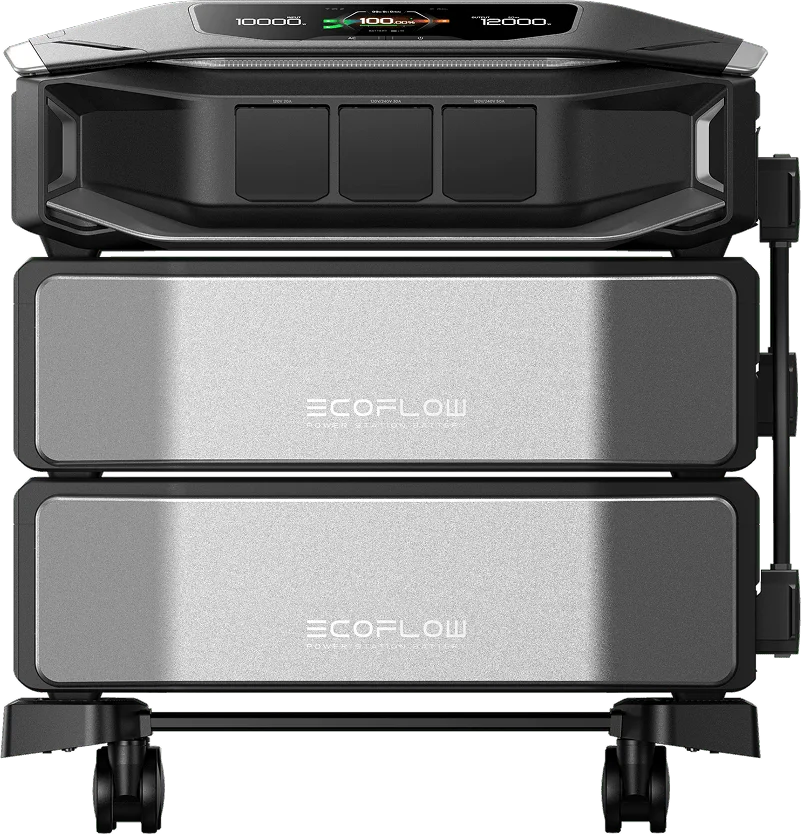
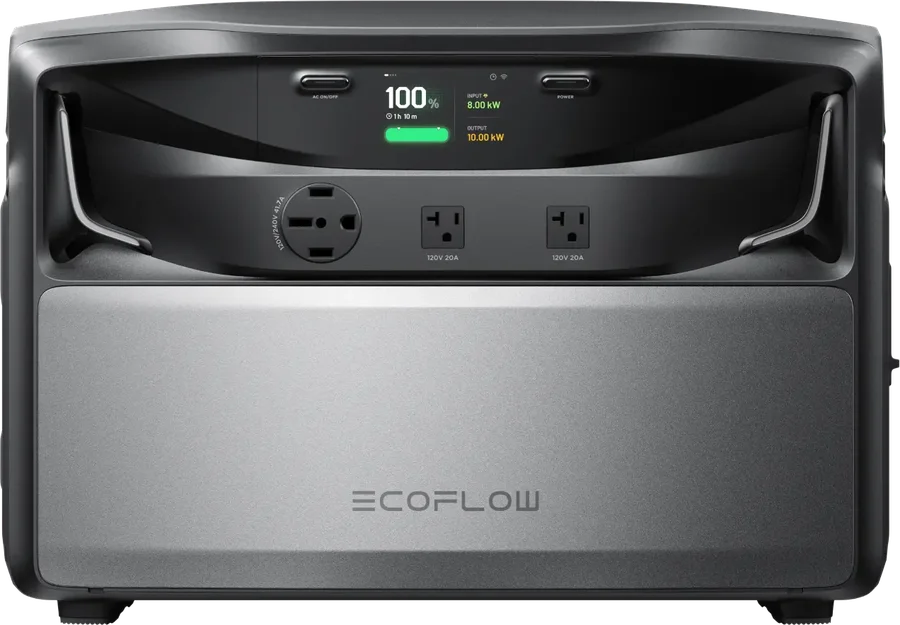
EcoFlow
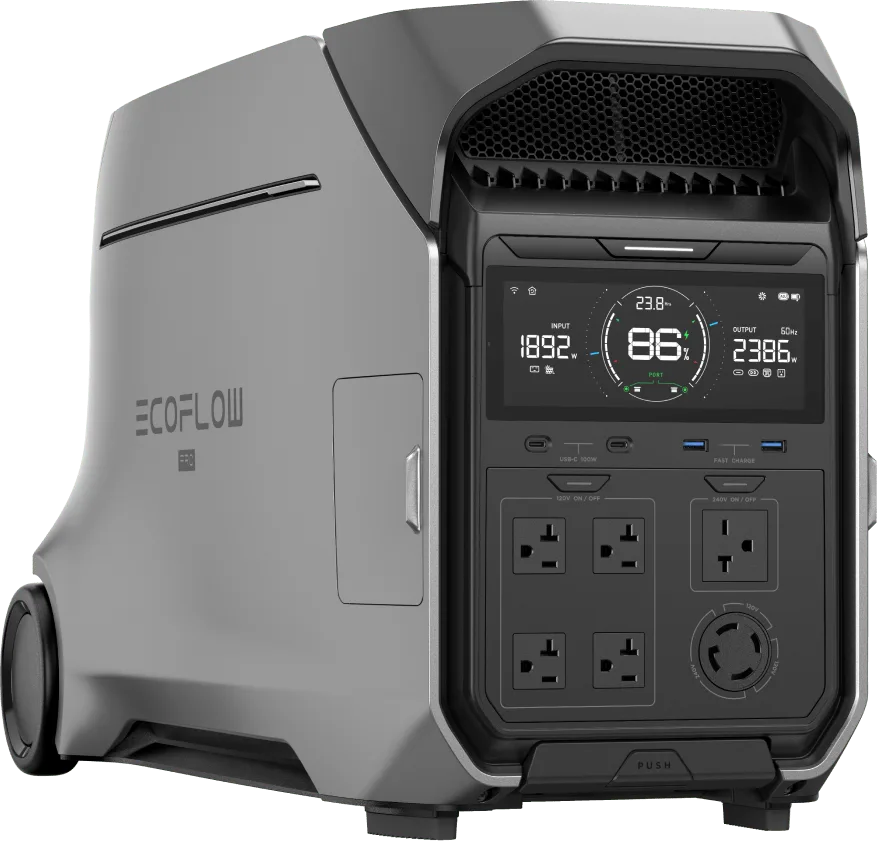
A 240V, 4kWh home battery on wheels
$2,799.00reference price*
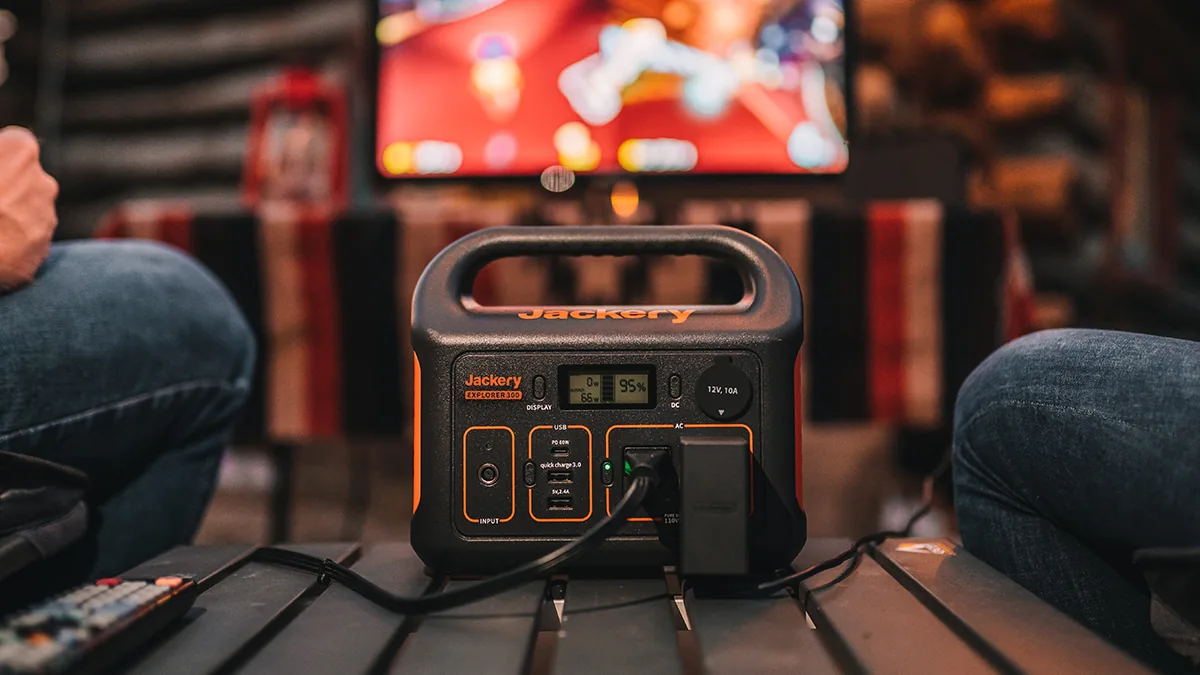
Jackery
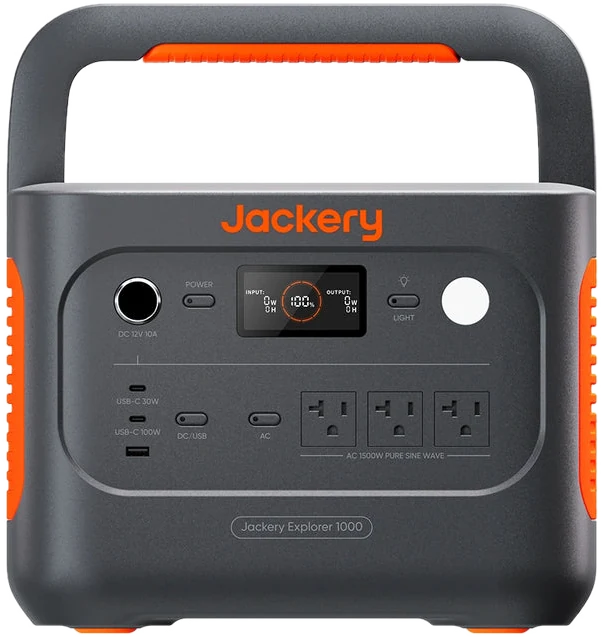
The 1kWh sweet spot for home backup that still fits in a car trunk
$559.00reference price*
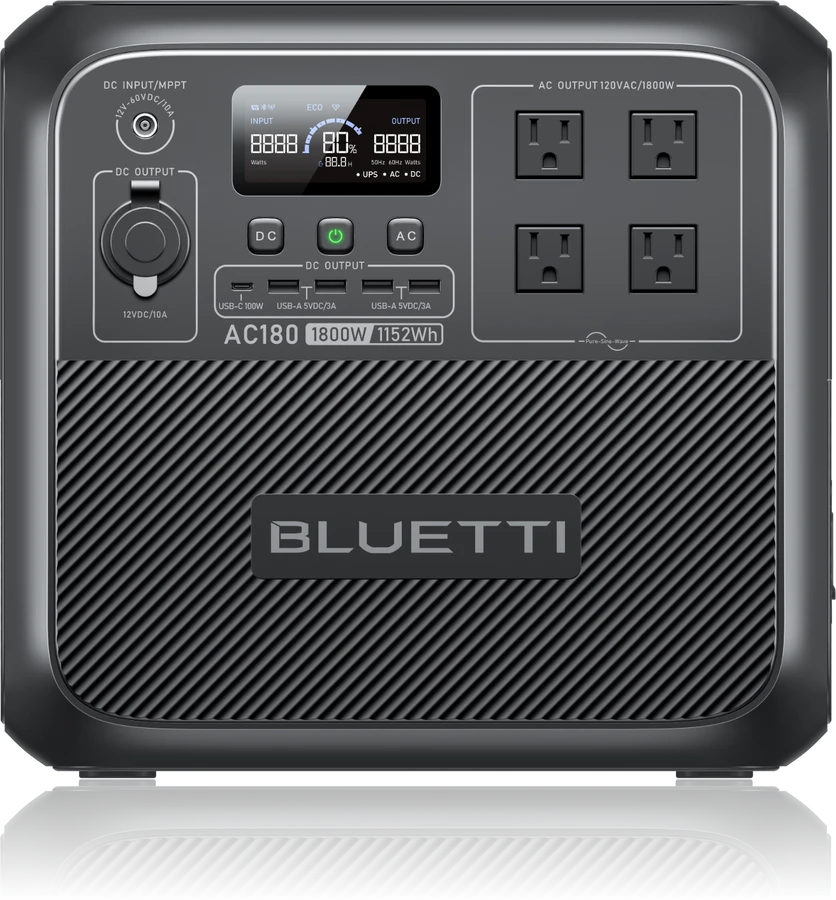
BLUETTI
A proven 1.1kWh all-rounder at a mid-range price
$499.00reference price*
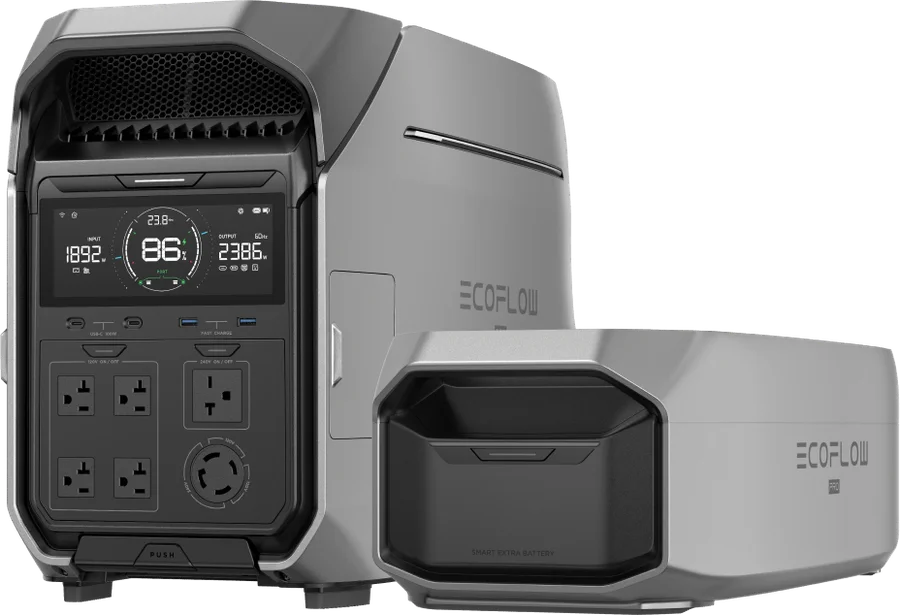
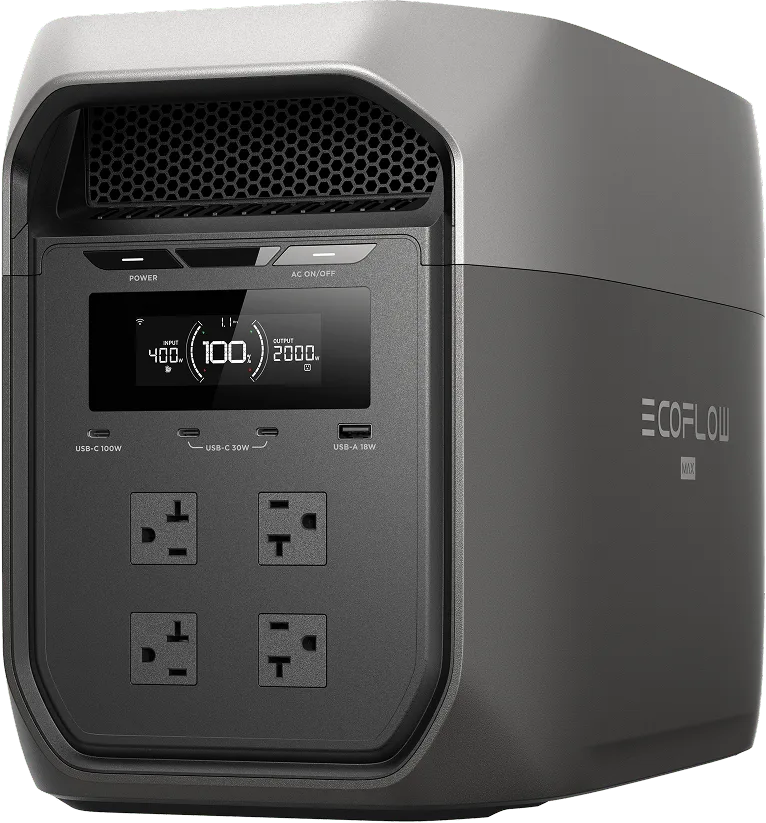
EcoFlow
The DELTA Pro 3 with double the battery
$4,698.00reference price*
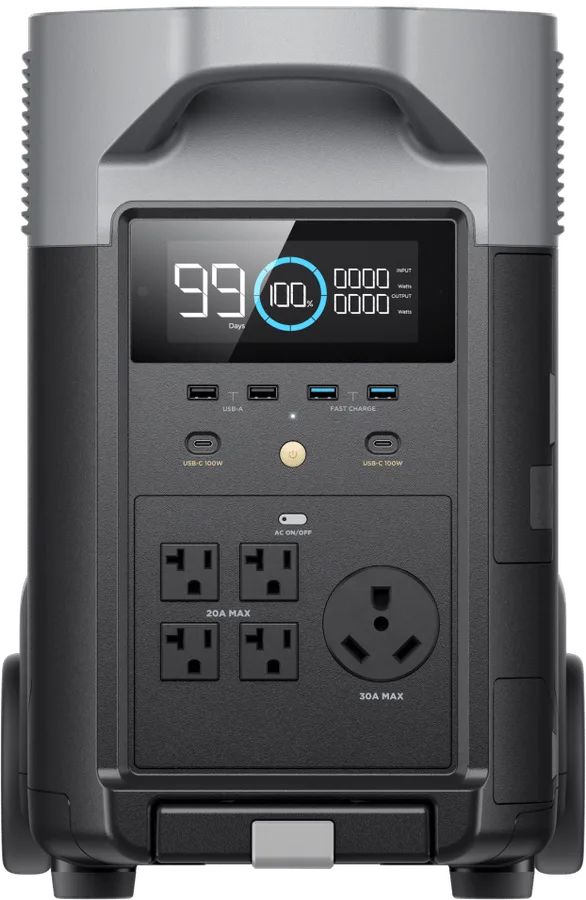
EcoFlow
The proven 3.6kWh home-backup workhorse, now at a lower price
$1,799.00reference price*
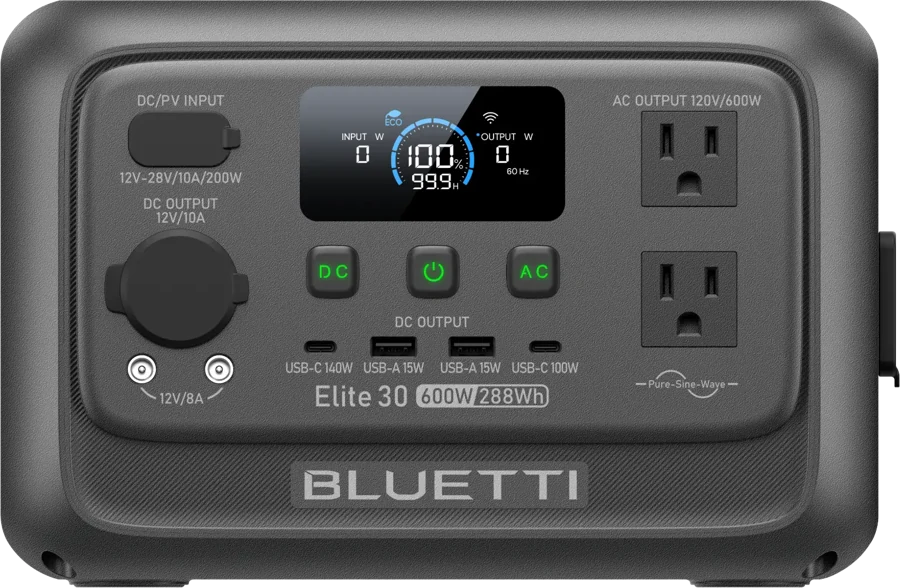
BLUETTI
The pocket-sized LiFePO4 pick with a real 600W inverter
$289.99reference price*
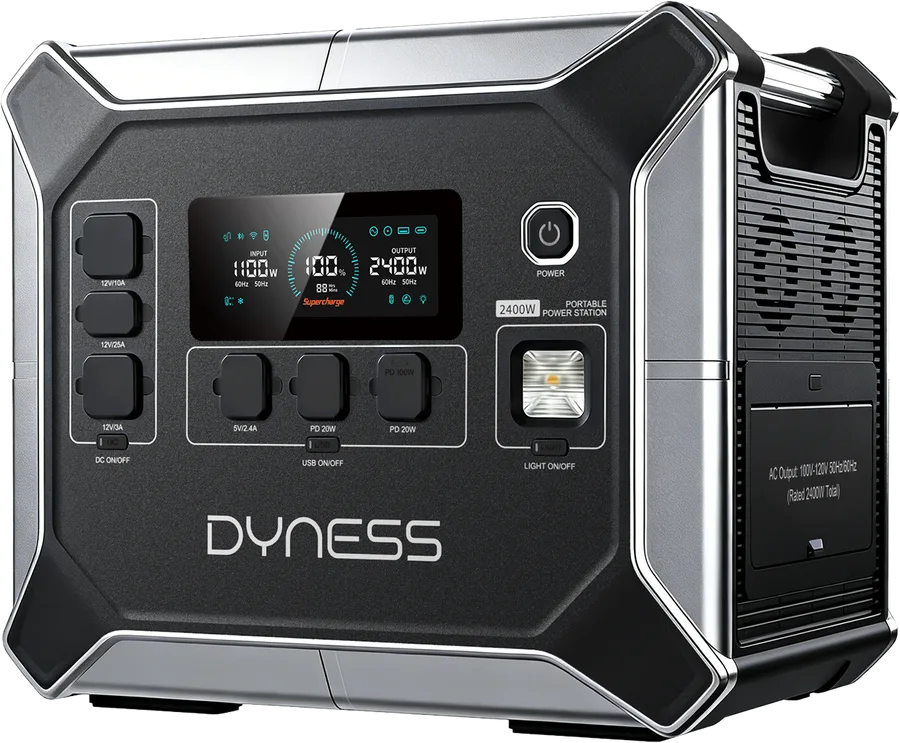
DYNESS
The budget 2kWh LiFePO4 pick, with caveats
$699.99reference price*
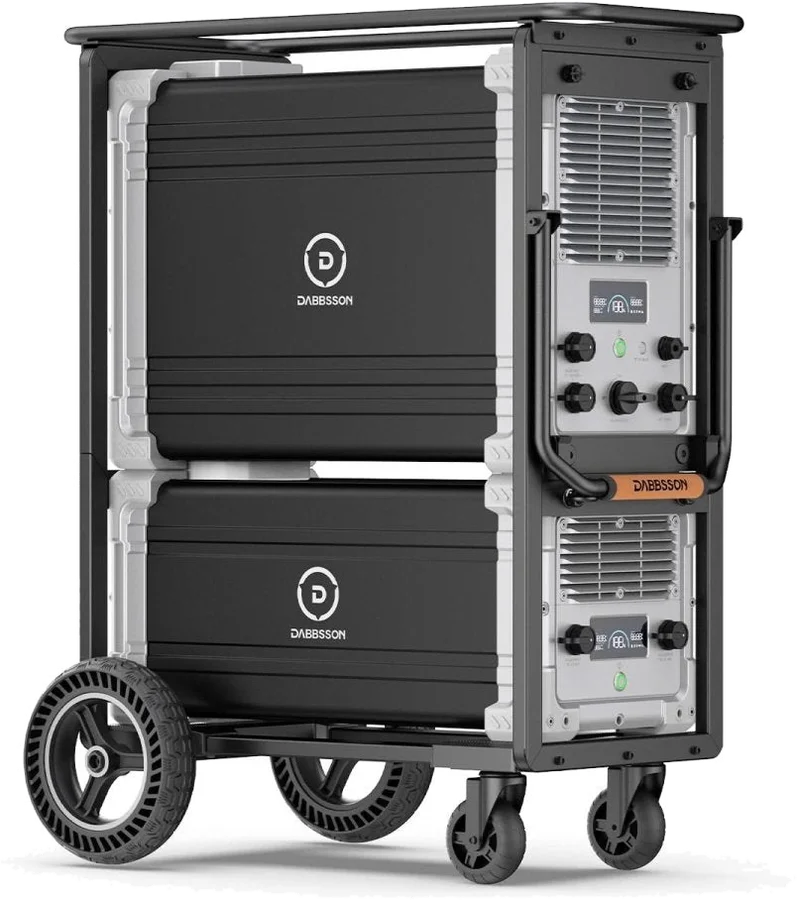
DABBSSON
12kW, 240V backup on wheels with very fast charging
$6,999.00reference price*
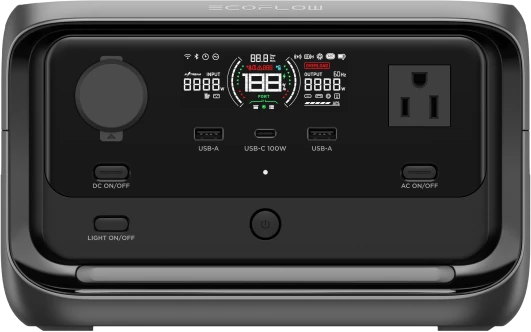
EcoFlow
A quiet, fast-switching UPS for your desk that doubles as a camping battery
Check Amazon
EcoFlow
2kWh of LiFePO4 with a 10 ms UPS at a 1kWh-class price
$879.00reference price*
EcoFlow
Whole-home backup that starts at 12kWh and scales to 180kWh
$7,899.00reference price*
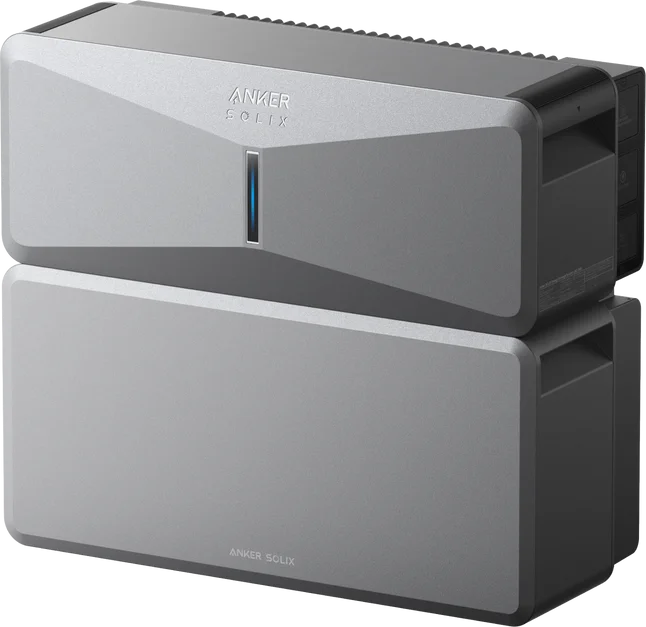
Anker SOLIX
An outdoor-rated whole-home battery that starts a 5-ton AC
$7,799.00reference price*
EcoFlow
A 240V home battery with solar in one box
$4,709.00reference price*
Jackery
The proven ultralight for cameras, drones and weekend camping
$289.00reference price*
ZOUPW
A big portable panel that plugs into almost any power station
$499.99reference price*
Jackery
A light 100W bifacial panel for small power stations
$299.00reference price*
Every panel and kit in this category on one table. Best value in each row is highlighted.
| Spec | ZOUPW 450W Portable | Jackery SolarSaga 100 Air |
|---|---|---|
| WattLab Panel Score | 8.2/10 | 6.1/10 |
| Rated power | 450 W | 100 W |
| Type | Portable, folding (ETFE) | Portable, folding (W-fold) |
| Cell efficiency | 25% | 23% |
| Weight per panel | 26.8 lb | 7.1 lb |
| Watts per lb | 16.8 W/lb | 14.1 W/lb |
| Open-circuit voltage | 45.9 V | 29.7 V |
| Bifacial | No | Yes |
| Weather rating | IP68 | IP68 |
| Reference price* | $499.99 | $299.00 |
| Watts per dollar* | 0.90 W/$ | 0.33 W/$ |
| Amazon | Check Price | Check Price |
Best in row. * Reference price from the manufacturer's store on the date shown; Amazon's price may differ.
Most manufacturers recommend topping up every 3–6 months; LiFePO4 holds charge well in storage.
Phones (~15Wh per charge), Wi-Fi router (~10W), LED lights (~10W each) and a CPAP (~40W) add up to far less than a fridge.
Solar panels, a car charger cable or a small gas generator turn a one-day battery into a multi-day system.
LiFePO4 units typically lose only a few percent per month. Check and top up every 3–6 months so it's ready when a storm warning hits.